Insulation for Lower Levels
Stop Losing Heat Through Your Basement Walls
Home MD Property Maintenance & Handyman Services installs insulation for lower levels in Evansville to reduce drafts, control moisture, and lower heating costs during Wisconsin winters.
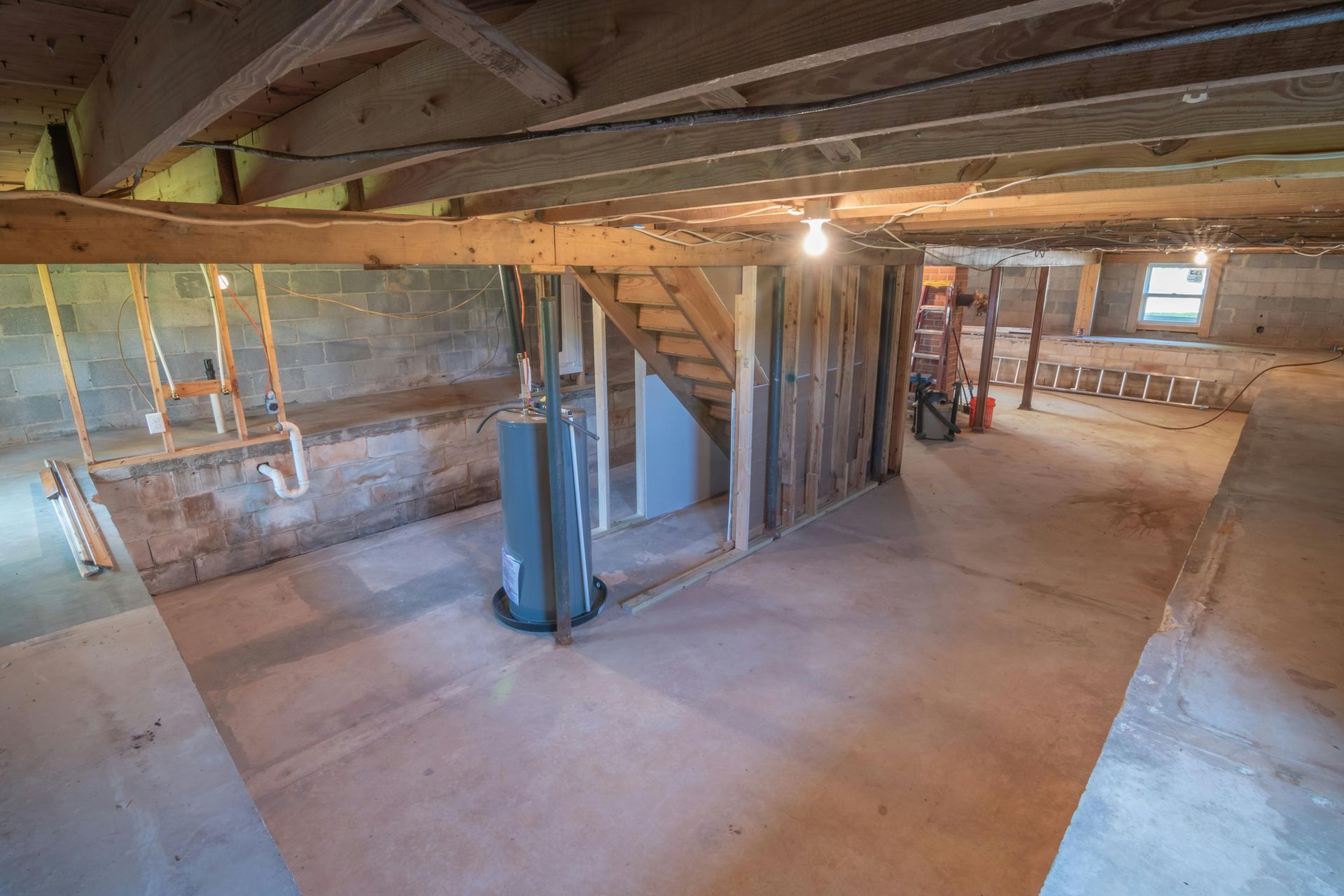
Basements and lower levels in Evansville homes lose more heat than any other part of the house, especially when foundation walls are uninsulated or when rim joists let cold air seep in around the edges. You'll notice it when the floor above feels cold, when the furnace runs constantly, or when certain rooms never seem to warm up no matter how high you set the thermostat. Home MD Property Maintenance & Handyman Services installs insulation in lower levels throughout Evansville using materials and methods that address both heat loss and moisture control, which are critical in below-grade spaces.
Lower level insulation typically involves adding rigid foam or spray foam to foundation walls, insulating rim joists with closed-cell foam to stop air infiltration, and using fiberglass or mineral wool in framed walls where moisture is less of a concern. The goal is to create a thermal barrier that keeps conditioned air inside, reduces condensation on cold surfaces, and prepares the space for finishing if that's part of your plan.
If your lower level feels cold, damp, or expensive to heat, reach out to discuss what type of insulation will work best for your foundation and how you use the space.
Methods That Address Both Heat and Moisture
The insulation process begins with inspecting the foundation for moisture issues, checking rim joists for air leaks, and determining what type of insulation is compatible with your wall construction. In Evansville, Home MD uses closed-cell spray foam for rim joists because it seals gaps and resists moisture, rigid foam board for foundation walls to provide a vapor barrier, and fiberglass batts for interior framed walls where airflow is controlled.
After insulation is installed, you'll notice the basement feels warmer underfoot, the floor above is no longer cold, and the furnace doesn't cycle as often. Condensation on pipes or walls decreases because the insulation keeps interior surfaces closer to room temperature. The space becomes more comfortable to use and less expensive to heat, and it's ready for drywall or finishing if that's the next step
Home MD selects insulation based on the moisture level in your basement, the condition of the foundation, and whether the space is finished or unfinished. The service does not include mold remediation, foundation waterproofing, or HVAC modifications, though those may be recommended if moisture or airflow issues are present. The focus is on preparing the lower level for use while improving thermal performance and indoor air quality.
Most People Wonder About the Same Things
Homeowners in Evansville often ask about which insulation works best in basements, how it affects moisture, and whether it makes sense to insulate an unfinished space.
What type of insulation is best for a basement in Wisconsin?
Closed-cell spray foam is best for rim joists because it seals air leaks and resists moisture. Rigid foam board works well on foundation walls, and fiberglass batts are used in framed interior walls where humidity is controlled.
How does insulation help with moisture problems?
Insulation reduces condensation by keeping cold foundation walls from coming into direct contact with warm indoor air. It also acts as a vapor barrier when installed correctly, which helps control humidity and prevent mold growth on framing or drywall.
Why do rim joists need to be insulated?
Rim joists sit on top of the foundation and are exposed to outside air, making them a major source of heat loss and drafts. Sealing them with spray foam stops cold air from leaking in and reduces the load on your heating system.
When should I insulate a lower level?
You should insulate before finishing the space, if you're using the basement regularly and it feels cold, or if you're trying to reduce heating costs. Insulation is also a good idea if you notice condensation, drafts, or uneven temperatures between floors.
Can you insulate a basement that's already finished?
In most cases, insulation needs to be installed before drywall goes up. If the space is already finished, Home MD can insulate rim joists from the inside or add insulation to the ceiling if that's the best option for your layout.
Home MD Property Maintenance & Handyman Services installs lower level insulation throughout Evansville using materials that reduce heat loss, control moisture, and prepare basements for finishing. If your lower level is cold, damp, or driving up your heating bill, contact us to talk through what's happening and figure out the right approach.